Tackling your child’s attention problems

Tackling your child’s attention problems


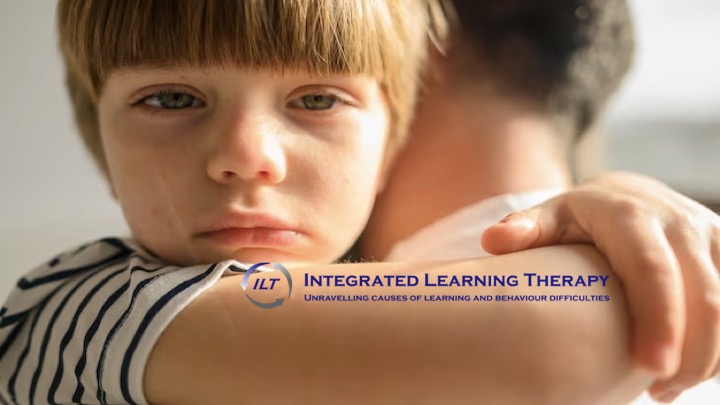
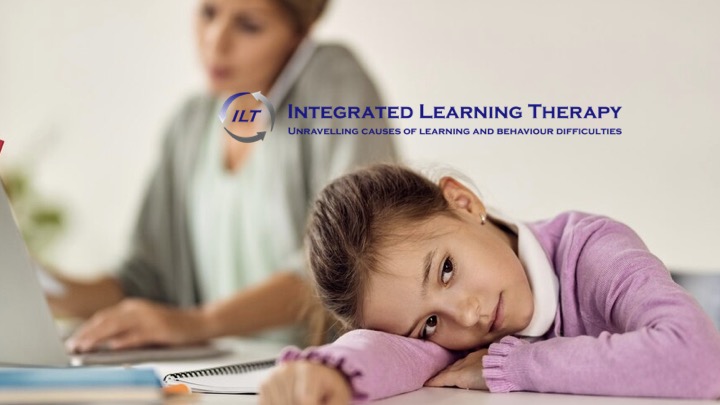
So many parents are being told that their children have concentration problems, can’t focus or show limited attention span.  Along with these descriptors, they hear that their child daydreams, fails to complete tasks, loses things, fidgets excessively and so on.

Seeking medical help usually results in a prescription for a stimulant drug, such as Ritalin, Concerta and Strattera.  

We do know that behaviour can be changed using certain drugs.  On Ritalin, for example, children are better able to pay attention, stay on task and sit still but the results are temporary; only with repeated dosages and sustained-release tablets will the benefits last all day.  Increasing the dosage over time brings risk of potential side effects even if these don’t show immediately and prolonged use should be discouraged because of uncertainty about long-term effects.   In addition, the drugs don’t address the basic problem.  They may make children easier to manage but don’t make them smarter or happier.  Children don’t learn any better when on medication – in fact, their work may show a lack of thought and originality.  They help the children get through the day in a mechanistic way but don’t make them better prepared for tomorrow.  Unfortunately, the drugs are often used alone, with no on-going programme to help the child in other ways.  In short, they may be the quickest and easiest ‘solution’ for children with attention problems but they aren’t the best.

The reason is that drugs don’t affect the underlying problems.  Behavioural problems and inattentiveness are symptoms of other problems and the answer isn’t to be found in medication.   Let’s have a look at some case studies:

Little Anna was the smallest child in class and came across as being quiet, withdrawn and easily distracted.  She stares at other children and plays nervously with her crayons and books.  When evaluated for neurodevelopmental delays, she showed that her stress levels were very high.  She had some early developing irregularities that interfered with her brain’s ability to cope with the sights and sounds in the world.   She was simply overwhelmed by what she perceived as ‘threats’ from her environment.  Once these were addressed, her stress levels dropped and she became more responsive.

John never sits still.  His constant activity often makes him a nuisance in class and at home.  Under investigation, ILT found that due to hitches during his birth and early development, he had mixed dominance, and had failed to develop left-right preference because he hadn’t integrated the two sides of his body.  He also hadn’t developed the foundational systems needed for efficient motor functioning and stable posture.  As these were addressed, he became better able to keep his body still and use it in developmentally healthy movement activities that he could not master before.  This led to his behaviour becoming less annoying, increased ability to make friends and improvements in classroom learning.  

Kevin is a daydreamer. He often stares out a window or at the television screen.  He is slow to complete his work.  He is clumsy and often drops things.  He has allergies and is often ill with sinusitis and colds. An ILT evaluation showed that his body didn’t work automatically.  He was using his mind to run his body so the brain’s higher levels, supposed to be used in learning and daily coping, were not available for cognitive functioning.  It would have been so easy for Kevin to slip through the cracks without achieving his potential.  A programme to help underdeveloped brain areas brought about noticeable improvements in his schoolwork and physical coordination. 

Little Sam was asked to leave his nursery school because his ‘violent’ behaviour and tantrums became too much to manage.   A full neurodevelopmental evaluation by ILT showed no irregularities in development or sensory-motor system functioning.  What was suspected was a sensitivity to food colourants and preservatives.  On a trial basis following this suspicion, Sam’s family excluded any foods containing these additives and Sam almost immediately became calmer, eventually returning to his school as a happy, friendly little boy.

So drugs aren’t the answer to behavioural problems or inattentiveness.  Instead, these children need a comprehensive evaluation followed by an individualized programme that corrects identified areas of irregular functioning. 

Interestingly, an ILT like-minded associate ran a programme with a group of over 50 children, all diagnosed with ADHD[1].  They were given daily certain sensory-motor stimulation and other movement activities designed to recreate the movement patterns that function to develop the brain in the early years.  About half these children were on Ritalin when they started the programme.  All were taken off Ritalin from three to six months later with no need to be put back on Ritalin or other behaviour-modifying medication.  For all children, the results showed the elimination of behaviour problems, better school results and dramatically improved coordination.  Social skills improved significantly as well but most importantly, the children were clearly happier.

Correcting behavioural and learning problems isn’t easy.  Effective intervention needs a holistic approach that reaches to the problems in the background and provides a supportive, encouraging environment.  For this reason, ILT is practiced in the family – no weekly visits to a therapist but ‘quality time’ spent in movements in which one or both parents can be involved.  The rewards are immeasurable. There is nothing better than watching a child who begins to feel good from the inside out!


[1][1][1] Shirley Randolph, Tree of Learning Centre, Boise, Idaho

Image suppied by Freepik

Does your child wear headphones or earbuds?

Does your child wear headphones or earbuds?

We are all quite used to seeing others walking, jogging or working with earbuds or headphones.  Apparently, this use of audio equipment is becoming more widespread among younger children as well.

Why is this a concern?  Susan Woolford, a paediatrician involved in a National Poll on Children’s Health run by the University of Michigan says that “Over recent years we’ve mostly been concerned about teens overusing audio devices. But earbuds have become increasingly popular and prevalent among younger kids, exposing them to more intense noise on a regular basis.”

“Noise exposure risks to young children have historically involved loud singular events like concerts or fireworks, but parents may underestimate the potential harm from excessive use of listening devices. It may be difficult to know whether their child’s exposure to noise is healthy.”

Children are most likely to use these devices at home, school and in the car, report findings show. Half of the parents taking part in the poll agreed that headphones or earbuds help keep their child entertained.

It is worth keeping in mind the warnings about the dangers of prolonged or extreme exposure to loud noise to hearing loss or tinnitus.  Woolford reminds us that young children are more vulnerable to potential harm from noise because of their immature auditory systems.  Their ear canals are also smaller than adults, intensifying the levels of sound.  In addition, “Tiny hair cells inside the inner ear pick up sound waves to help you hear. When these get damaged or die, hearing loss is irreversible.”

Noise exposure among children can also affect their sleep, academic learning, language, stress levels and even blood pressure, she adds.

Woolford offers four tips to reduce risks of noise exposure to children through headphones and earbuds:

Monitor volume levels

Listen to the audio device used by your child and adjust the volume, Woolford says.

She recommends parents follow the 60/60 rule—children should be limited to no more than 60 minutes of audio devices a day at no more than 60% of the maximum volume.

“A good way to tell if an audio device is too loud is if a child wearing headphones can’t hear you when you’re an arm’s length away,” she said.

Use noise cancelling or volume limiting headphones

Consider the risk of noise exposure when you buy audio devices for your child by checking the information on device packages to identify products that limit the volume.

But some products marketed as “kid safe,” Woolford warns, do not limit the volume to 70 decibels.

However, children should avoid using noise-cancelling listening devices in situations when perception of sounds is crucial for safety.  These should not be used when a child needs to hear what is going on in their environment, such as walking or bike riding on public roads.

Make sure your child take breaks from listening devices

Children should have a daily “device-free” time, Woolford says. This may involve putting away or locking the child’s audio devices when time limits are up.

They may also encourage kids to enjoy things like music on a low volume in their rooms instead of using earbuds to reduce noise intensity.

Personal audio devices should also be avoided when children are sleeping or at bedtime, Woolford says.

Watch out for early signs of hearing loss

“Early signs of hearing loss may include asking for repetition, hearing ringing noises often, speaking loudly to people nearby, delayed speech, or lack of reaction to loud noises,” Woolford said.

More information: Poll: mottpoll.org/reports/can-they- … adphone-use-children

Provided by University of Michigan 

 Image supplied by Freepik.

How parents help children develop motor skills

How parents help children develop motor skills

Children who are developmentally delayed often find it difficult to develop motor skills. This means that they can’t easily take part in routine physical activities which in turn further impedes those motor skills.

A recent study by Megan MacDonald of Oregon State University’s College of Public Health and Human Sciences found that parents make a big difference in supporting physical activity, especially with younger children.

Gross motor skills like jumping and running, throwing and catching, are the building blocks upon which more complex physical activity can be learned as children grow. When parents spend time on helping a child practice these activities, they tend to see improved motor skills, MacDonald said.

The study involved a survey comprised of questions. One category was about “parental explicit modelling.”  These asked parents how often they and their family engaged in physical activity, as well as how they used their own behaviour to demonstrate and encourage an activity. “Parental tangible support” included creating a supportive environment questioning how often parents drive children to and from recreational activities and watching their games or activities.

Both factors had a significant positive impact on increasing physical activity among children, which then positively impacted the development of the children’s motor skills.

MacDonald writes that early intervention sets children up to have more opportunity for physical activity in the future, and takes advantage of the fact that younger children tend to already spend more time watching and copying their parents.

Children who have developmental delays show needs in other important areas.  For example, they may need help in developing social and communication skills and in such cases, it becomes more of a priority than physical activities.

But, as MacDonald reminds us, it is possible to divide one’s focus while engaging in physical activities, such as teaching social skills or reciprocal communication during an active game. “So, taking your kid to the park, providing these opportunities, counts on many levels. It’s fun and it’s healthy.”

Provided by Oregon State University 

Image supplied by Freepik.

Our active brains

Our active brains


Another post on the value of movement?  Yes.  There are so many compelling reasons to keep reminding educators of the need to encourage children to move.  At home, they have to have time for energetic play away from screens and sedentary toys like Lego.  At school, they need frequent breaks to enable the body to best support the learning brain.

By this time, you should be realising that the brain does not benefit more from sitting at a desk busy with reading, ‘riting and ‘rithmetic than running, playing and learning while moving.  Instead, the evidence increasingly supports the view that working the muscles of the body benefits the brain. In fact physical activities can alter the structure of the brain in very precise ways. 

One important brain area that benefits from aerobic exercise is the hippocampus. This is at the core of the brain’s learning and memory systems and research has shown that it grows as people get fitter.  In addition to improving memory in general, there are studies to show that exercise accompanying learning can improve memory formation.  A German study showed that walking or cycling during (but not before) learning helped memorise vocabulary of a new foreign language.  So walking around while revising study material may be more helpful than sitting at a table.

Exercise has been touted for helping focus and the ability to stay on task.  We keep pleading for more schools to take cognisance of the value of interspersing lessons with bouts of aerobics-style exercise because there are studies to show how this improves the attention spans of learners.  And even more significantly, a study in the USA showed that daily extra-mural sports classes improved the executive functioning in children.  This was shown by their becoming more able to ignore distractions, to multitask and to show improvement in working memory, being able to hold and manipulate information in their minds.

An exercise programme doesn’t need a great deal of planning or space.  Many homes and schools lack outdoor space but there are beneficial games that can be introduced needing very little.   A large group of German teenagers improved their attention span by merely boucing two balls at the same time for 10 playful minutes.

Apart from the mental benefits, we know that movement also has powerful effects on mood and can be used to lift depression.  It also seems to be able to boost creativity and divergent thought. 

Our brains don’t operate alone; we have to forget the very old and outdated belief that the body is there merely to carry the brain around.  There is so much evidence about the value of movement and it should be translating into school policy and home habits. 

Content of this post is partly based on the writing of Ben Martynoga. He is a neuroscientist and science writer. He tweets at @mountainogre.

Image supplied by Freepik.


Is your child flying under the radar?

Is your child flying under the radar?


Your child seems to be unhappy, unmotivated and underachieving at school yet nobody has commented, home life is stable and teachers don’t suspect a learning problem.  What’s going on? 

Some children have hidden, unidentified difficulties, that can cause frustration, leading to poor behaviour, erratic performance or emotional outbursts.  They may learn to tolerate school and their schools tolerate them but they are actually underachieving academically, have low self-esteem and may rebel against society or begin to accept themselves as losers or somehow less capable than others.  

These are the children who fly under the radar and struggle with what may well be developmental immaturities.  They don’t receive the help they need to overcome developmental delays but these are impacting on their higher level functional skills such as handwriting, maintaining concentration and postural control and a whole lot more.

When a child has obvious challenges, either physical, mental or emotional, their needs are usually recognised and attempts are made to support them.  The trouble is that sometimes parents feel something about their child’s development is not as it should be but don’t get confirmation from doctors, teachers or other professionals.  A mother may have a gut feeling that her little girl is just not doing as well as she should be, when compared to others of her age. She is reassured and told not to worry, because children develop at different ages and her daughter is probably just a little slower.    Don’t ignore what your gut is telling you! When you acknowledge your instincts and act on them by seeking out information you might create early opportunities to prevent longer term problems.

Integrated Learning Therapy (ILT) works with many children with developmental immaturities.  The underlying cause of children not coping with skills needed to succeed academically can begin very early on in the child’s development. Understanding some of the underlying factors makes it possible to ensure that their challenges are addressed.  In this way, underachievement can be prevented. 

As parents, we hope that our children will develop normally, even though we expect that there may be some small delays along the way that will resolve themselves over time.  However, not all children will ‘grow out of’ developmental delays unless they get support. 

As an example, consider Sam.  His behaviour and academic performance depends on underlying and invisible interacting activities in his body and nervous system.  He may be a wriggler, but rather than merely being naughty or ill-disciplined, he may have sensory systems that are making it physically uncomfortable to remain still and focused.  Sitting still and paying attention can only happen if a child has adequate postural control and balance.  Being able to do this is the result of bodily systems working together.  The vestibular system (the system of balance) arouses the child’s brain so that he can focus; his proprioceptive system (which gives us information about where we are positioned in space) help to maintain an erect posture; his tactile system (sense of touch) allows him to selectively pay attention.  If these systems are not functioning as they should, no matter how hard Sam tries, he won’t succeed in doing what his teacher asks of him.  He will try to please but in doing so, all his attention will be focused on keeping himself still in his chair.  He certainly won’t be attending to the lesson. 

When learning difficulties continue to go unrecognized, children learn strategies to cope with or simply avoid aspects of school life that are too hard.  Progress is so slow – they are simply unable to learn as efficiently as their above average intellectual potential should allow.  So some work really hard just to keep up their position at the bottom of the class; some struggle every day with extra reading; others take work home regularly because they cannot finish it in class.

As a general rule, parents know their children better than anyone else.  Their concerns are often accurate indicators of a child’s underlying developmental problems.  To help confirm this, there are a number of early indicators of slow development that need to be noted[1]:

  • Attention: difficulties sustaining attention in class
  • Sitting still: children who wriggle and squirm
  • Receptive language: understanding what is said to them
  • Expressive language: how they are able to communicate to others
  • Pencil grip: how they hold their writing instruments and cutlery
  • Visual skills: eye control and seeming difficulties with early reading games and activities
  • Body awareness of themselves and in relation to others
  • Understanding body language and being able to respond to others who express themselves through body language
  • Coordination: throwing and catching balls, walking, skipping, climbing, running
  • Immature behaviour: difficulties sharing, taking turns, controlling impulses

Look for support

Follow your gut feeling by becoming knowledgeable about what to expect at certain stages of child development, the possible causes of underachievement and where to go for support.

In the field of neurodevelopment ILT practitioners can be a useful resource as they deal with brain development and the underlying causes of learning difficulties at very low levels (meaning they look at very early development to trace back to areas of concern).  Many of them also have backgrounds in occupational therapy, psychology or teaching, meaning that they can call on knowledge from various fields.

[1] Goddard-Blythe, S. 2009. Attention, balance and coordination: The ABC of learning success. Wiley-Blackwell.

Image supplied by Freepik.

It’s summer – can your child’s brain overheat?

It’s summer – can your child’s brain overheat?


The fact that schools and higher learning institutions close for the summer holidays might not be based on neuroscience but is nevertheless wise. It has to do with the effect of heat on our brains. 

I’m sure we can all relate to the experience of not being able to focus and cope with mental work in extreme heat.  The same can be said for children, struggling in a hot classroom. 

 A recent study finds a link between heat and lower academic achievement.  High school students who were tested during hotter years had lower scores compared to their test performance after a cooler year. Another study concerned university students who were given two tests a day of basic addition and subtraction, cognitive speed, memory, attention and processing speed for 12 consecutive days during a particularly hot spell. Those students who lived in air-conditioned buildings scored significantly higher than those who did not.  Yet another researcher[1] wrote that taking an exam on a day where the temperature reaches 32 degrees Centigrade leads to a 10.9% lower likelihood of passing a particular subject (e.g. Algebra).

 So our hot South African summers cause some brain drain and possibly our youngsters could benefit from schools staying closed during January and February, the hottest months of the year.  Of course, air conditioning seems to offset the damaging impacts of heat on academic achievement but we know how expensive it is to install and run air conditioners in   schools. We also know that air conditioners release carbon dioxide into the atmosphere which is not good for our already struggling environment.

But summer heat can cause physical problems for children as well. It’s important to remember children are at high risk for heat-related illnesses, as their bodies heat up 3-5 times faster than those of adults. When the weather is extremely hot and humid, the body’s ability to cool itself down is compromised, and both adults and children are at risk if the temperature rises above 32 degrees Centigrade.

Dehydration is a major concern and it should be remembered that often children don’t feel thirsty when they are engaging in physical activities out of doors.

  • Before outdoor physical activities, children should drink freely. During activities, they should have water available and take a break to drink every 20 minutes.
  • Sports practices and games played in the heat should be shortened and there should be more frequent water breaks.
  • Clothing should be light-coloured and lightweight. Limit clothing to one layer of absorbent material to help the evaporation of sweat. If their shirts become sweaty, they should change to dry clothing.
  • Children complaining of feeling dizzy, lightheaded or nauseous should be allowed to move into a cooler environment.

There is no doubt that heat and dehydration can make children sick.  Apart from dehydration, children can also suffer from heat exhaustion, heat cramps and heat strokes.

Your child may not tell you if they’re feeling bad, so it’s critical to recognize the signs and symptoms of these heat-related illnesses in order to take proper action and prevent further injury.

If your child develops any of the following symptoms, it might be wise to call your doctor immediately:

  • Feeling faint
  • Extreme tiredness (e.g. unusually sleepy, drowsy or hard to arouse)
  • Headache
  • Fever
  • Intense thirst
  • Not urinating for many hours
  • Nausea
  • Vomiting
  • Breathing faster or deeper than normal
  • Skin numbness or tingling
  • Muscle aches
  • Muscles spasms.

 With the hot weather we’ve been experiencing, plan to protect your children from the heat by playing outside in the early mornings and late afternoons (apart from swimming).  Children may become restless if kept indoors for too long so make sure you have entertainment planned in the form of indoor games and activities. 

But don’t forget to limit the amount of screen time!

[1] R. Jisung Park, Assistant Professor at the University of California, Los Angeles.

Image provided by Freepik.