
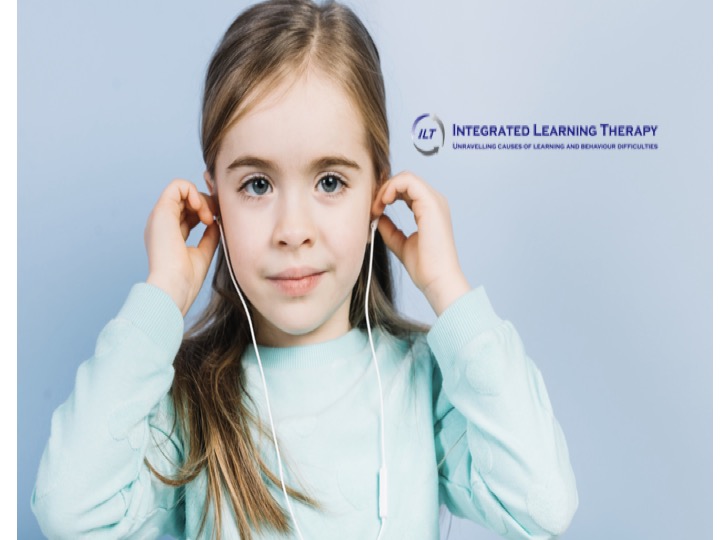
Is your child ‘sound safe’?
Sound and hearing are vital aspects of being human, learning and functioning optimally in the world. If our ability to hear is hampered, the effects are widespread. A weakened auditory system may result in auditory sequential processing problems. This affects short-term memory – the important ability to link pieces of auditory information. Auditory processing can also lead to difficulties focusing listening – another symptom of auditory dysfunction. These weaknesses negatively affect communication, language learning and attention skills. It seems reasonable, in the light of this, to ensure that your child is ‘sound safe’.
There are two primary forms of hearing and listening impairment[1]. Noise-induced hearing loss (NIHL) occurs when protracted loud sounds damage the inner ear. The delicate cilia hair cells in the inner ear are destroyed and cannot be repaired.
In addition, stress can interfere with the way we absorb sound. This is called Stress-induced auditory dysfunction (SIAD). An expert in auditory impairment claims that “Poor listening can begin at any age and for any number of reasons. “It might result from a health problem, an accident, a major lifestyle disruption or from stress.”
Hearing loss, be it noise or stress induced, with the addition of auditory dysfunction, can result in muddled thinking and out-of-balance emotions. For this reason, we need to become more sound aware. Sound can be healing, comforting and an aid to learning. In the form of noise, it can also disturb us and negatively affect our functioning. We need to help our children take precautions to protect their ears.
The word noise comes from the Latin nausea meaning seasickness. Noise generally refers to any loud, unmusical or disagreeable sound. Your classification of noise will, of course, depend on your subjective opinion. What you call loud and noisy may reflect your audiological health and personal taste. What I call unmusical and disagreeable depends entirely on my taste in music; one person’s noise is another’s delight.
Nevertheless, noise damages ears. Acoustic trauma happens when an extremely loud sound strikes in an instant. One blast from an explosion can rip apart the ears’ inner tissues, leaving scars that cause permanent damage. Noise-induced hearing loss (NIHL) develops more insidiously over a period of time. Repeated or extended exposure to dangerous noise levels attacks the delicate sensory cells in the ear. Their function is to transport airborne vibrations from the inner ear to the brain. Without them, hearing is inefficient. In addition, loud sounds cause constriction of blood vessels in the cochlea, which is the hearing organ in the inner ear. A lack of a proper blood supply may result in damaging changes in the inner ear.
For these reasons, workplaces try to protect workers from hazardous noise levels, but what is being done to protect children?
In human adults, 80 dB is the maximum sound intensity that will not produce hearing loss. Above 85 dB, you run a risk of damage which worsens with length of exposure and higher dB levels.
Here is a table showing the decibel levels of common noises:
Watch ticking – 20 decibels
Whisper – 30 decibels
Average conversation – 40 decibels
Dishwasher, microwave – 60 decibels
City traffic – 70 decibels
Noisy restaurant – 70 decibels
Vacuum cleaner – 80 decibels
Busy city pavement – 80 decibels
Then we move into danger zones:
Lawn mower – 90 decibels
Screaming child – 90 decibels
Power drill or chain saw – 100 decibels
Blow dryer – 100 decibels
Car hooter – 110 decibels
Noisy video arcade – 110 decibels
Rock concert – 100–130 decibels
Jet engine at 40 metres – 140 decibels
Jackhammer – 180 decibels
While we can cope with a certain amount of noise (if our auditory system is healthy), we should avoid prolonged exposure. The next table shows a 1984 standard of noise-level safety based on decibels and time-exposure levels. It was created for the workplace and the duration per day may be higher than what is truly healthy for your children’s ears.
90 decibels – not more than 8 hours
92 decibels – not more than 6 hours
100 decibels – not more than 2 hours
102 decibels – not more than 1.5 hours
115 decibels – not more than 0.25 or less hours
So how do you teach your children sound safety? You don’t want to be paranoid but neither do you want them to innocently damage their wonderful auditory systems. The result of damage is not always hearing loss; sometimes damage substitutes sounds for others and they are replaced with tinnitus, or ringing or buzzing sounds in the head. Hearing damage is not something to take lightly.
Here are some precautionary measures:
- Limit exposure to sounds over 85 decibels. If you have to be exposed for longer, wear ear protection. Ear plugs must be worn to really noisy events such as rock concerts or firework displays. Earplugs are made of foam, silicone or wax and are designed to reduce noise levels from between 20 to 30 dB. Cotton wool doesn’t effectively diminish excessive sound waves.
- When using headphones, do the following: Keep the volume down. If your child listens with headphones to music with a ten-digit volume wheel set at 4 or higher, hearing loss may result. Limit listening to one hour at a time and let the ears rest. Be very careful if using headphones when exercising.
- Give the ears a rest. Alternate quiet and noisy activities. Don’t go to a noisy party or club after a loud sports event.
Our ears don’t actually bleed after a blast of fireworks or a rock concert. That doesn’t mean that we have incurred self-inflicted damage. Our society is an increasingly noisy one. Sound pollution means that we have to teach our children to be aware of sound and to practice sound safety.
Image supplied by Freepik.
[1] Joshua Leeds. 2001. The power of sound. Vermont: Healing Arts Press
