
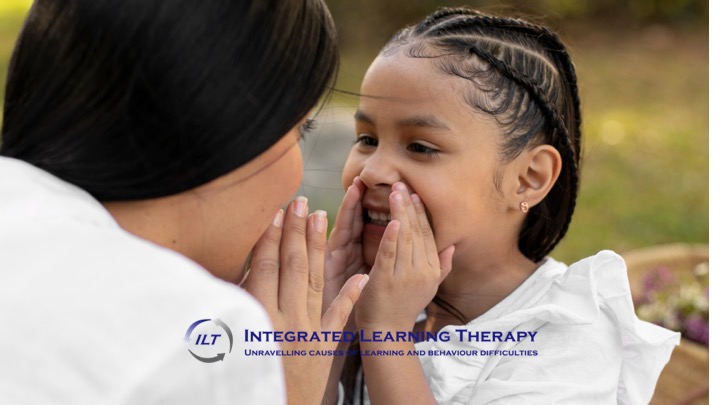
How to have a conversation with your child
Why are children seemingly so reluctant to talk about school? How many times do you ask them ‘How was school today’ and they respond with a curt ‘Fine’.
Shelbie Witte, writing for The Conversation, says that teachers may have the same problems in the classroom, with some learners showing unwillingness to offer more than brief or vague answers to their questions. They show nervousness if asked for clarification or explanation of their responses. Shelbie believes that this can have consequences: such children may become adults or avoid asking questions or admitting what they don’t know.
As an educator, researcher and parent who atudies adolescent education, she offers five strategies you can use with children to make them better conversationalists and to cultivate their curiosity.
- Be creative with your questions
Try to avoid questions that need only a one-word response.
Children want to know whether the adults in their lives are genuinely interested in their day. Asking the same, rote questions each day says otherwise.
Try shaking things up and ask more specific, open-ended questions instead: “What was the most interesting thing you did today?”
“If you could turn back time and change how you handled something at school today, what would it be?”
“If you were in charge of your class tomorrow, what would you teach?”
- Engage with their curiosity
As important as it is for adults to ask questions that convey genuine interest, it’s just as valuable to engage with questions that children ask.
Young children ask “why” so often that adults can find themselves falling back on a classic retort: “Because I said so!”
When a “why” gets shut down, a child’s curiosity and wonder are also snuffed out. Instead, try acknowledging and engaging with this curiosity: “Good question. Here’s my thinking …” or “Let’s talk about why this is important …”
At the same time, you can also model other ways to ask questions: “I’ve wondered that too. Do you think it’s because …?”
Bottom of Form
- Think out loud
When adults verbalize their thinking out loud, they’re showing children how their brains work and how problems get solved.
“Do you ever wonder why cats purr?”
“Do you think I can mix the dry and wet ingredients for the cake at the same time?”
“I noticed the flags were at half-staff today in front of your school. Could you ask someone to find out why?”
Doing so encourages children to listen to their inner voice—and to trust the questions that emerge, no matter how silly they might seem.
- Be a seeker
Admitting you don’t know the answer to something can be uncomfortable, especially because children often expect their parents to know everything. But simply responding “I don’t know” to a question isn’t enough. It’s important to show children how to find answers, whether it’s through assembly manuals, recipes or a nutrition label.
If you come across a confusing passage in a book, you can show youngsters how to use the tools contained within the book: a glossary, table of contents or index.
Then there are the questions that don’t have a single, simple answer. You can explain how more than one internet search might be necessary and it’s probably not a great idea to simply accept the first answer that pops up.
By showing children that it’s OK to not know all the answers, you give them the confidence to ask more questions.
- What I heard you say was …
Children can have a hard time articulating what they’re curious or confused about.
For this reason, active listening is a critical behaviour to model. If you’re confused about what you’re hearing, rather than saying something like, “I don’t get what you’re saying,” you could repeat what you heard, and then ask, “Is that what you’re saying?”
If they give a meandering answer to your question—even if they go off topic—you can highlight what stood out to you to show that you were really listening: “What I really appreciated about your answer to my question was …”
Avoid the temptation to multitask when children approach you with questions. If you put your phone away, make eye contact and ask follow-up questions, kids will be more willing to keep asking questions in the future.
Children are born with a natural wonder and enthusiasm for learning. As Carl Sagan said, “The complex and subtle problems we face can only have complex and subtle solutions and we need people able to think complex and subtle thoughts. I believe a great many children have that capability if only they are encouraged.”
Prodding children to tap into their own curiosity while respecting their needs, limitations and fears can have a powerful impact on their ability to ask and answer questions about the world, big and small—or, at the very least, give them the confidence to try.
Supplied by The Conversation
Image supplied by Freepik