
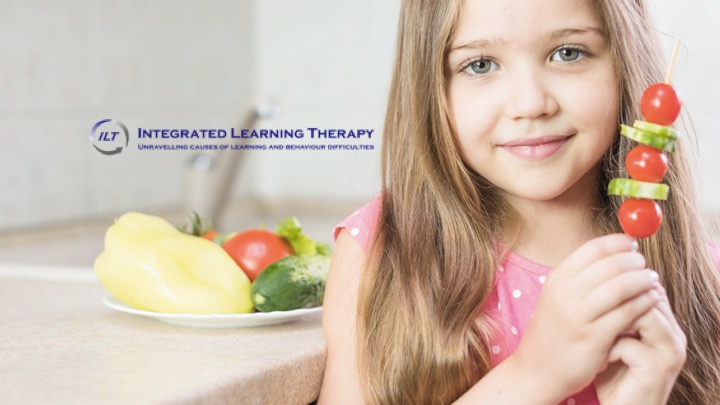
How can I help my child eat a healthier diet?
Some children eat only processed foods, like breakfast cereals, fish fingers, chicken nuggets chips and so on. It’s a battle to get them to eat anything fresher or more wholesome. But they’re not alone – this is happening in many homes around the world.
If this applies to you, here are some ideas from Nick Fuller, writing for The Conversation, about why children prefer these foods and what you can do about it.
Processed foods
Processed foods are any foods altered from their natural state.
While some food processing is beneficial—such as pasteurizing milk to kill bacteria—the ones that cause parents concern are ultra-processed foods, which use industrial methods to enhance flavour, texture and shelf life by adding sugars, salt, fats and artificial flavours, colours and preservatives. These are the fast and junk foods that children love but which offer low-to-no nutritional value.
But others hide in plain sight, disguised as “healthy” convenience foods such as flavoured yogurts and muffins.
Why do children find processed foods so appealing?
Our biology
Ultra-processed foods are engineered to be addictive, with their added sugar, salt and fat activating the brains’ reward system, releasing feelgood chemicals. Humans naturally seek sugar- and fat-rich foods to avoid starvation so we are hard-wired to like these foods.
Food fussiness
Many children will experience a fussy eating phase—another survival response inherited from our ancestors, who avoided toxins by developing an aversion to unfamiliar and bitter foods.
Fussy eaters also favour ultra-processed foods, such as chicken nuggets, chips and breakfast cereals, because they’re familiar and non-threatening, often beige like breastmilk and children’s first solid foods. Also their blander flavours don’t overwhelm developing tastebuds.
Advertising
From YouTube ads to eye-level supermarket displays, children are incessantly exposed to marketing that makes them crave—and demand—ultra-processed foods.
How processed foods impact health
Ultra-processed foods can impact children’s health in a range of ways, contributing to:
- nutritional deficiencies. Children filling up on ultra-processed foods are less likely to eat vegetables, fruits, whole grains and lean meats, producing a diet lacking in fibre and other key nutrients needed for growth and development
- childhood obesity. Ultra-processed foods are high in calories, unhealthy sugars, salt and fat, and often lack portion control, promoting overeating
- increased risk of diseases. Long-term overconsumption of ultra-processed foods is linked with a higher risk of developing a range of chronic diseases, including heart disease, type 2 diabetes and cancer.
Unhealthy eating habits can be hard to break, but positive diet and lifestyle changes—even later in childhood—can reverse these negative health effects.
Science-based tips for healthier eating habits
- Eat together
Family mealtimes allow you to model healthy eating. Sit together around the table, share the same meal, and put devices away so everyone’s attention is on eating.
- Introduce foods carefully
Research shows children need eight to ten exposures before they willingly eat new foods. So offer them regularly, encourage tasting and don’t pressure them to eat.
While it’s tempting, avoid offering dessert as a reward for trying something healthy. Using treats as a reward increases children’s preference for unhealthy foods.
Children are also more likely to try new foods when they’re hungry, so avoid snacks one to preferably two hours before mealtimes.
- Introduce variety to family favourites
Children are more open to trying new foods when there’s something familiar on their plate.
So, tweak family favourites by swapping ingredients, such as using lentils instead of beef in bolognese or roasting carrots to make “orange chippies.” Grating veggies into sauces also expands kids’ diets without overwhelming them.
- Make food fun
Children respond positively when healthy foods are presented in fun ways, so include different colours, textures and shapes on their plate to hold their interest.
Changing meal locations—and enjoying an occasional outdoor picnic—is another simple way to make mealtimes feel special and fun.
- Teach kids about the science of food
Teaching children in an age-appropriate way about the foods we eat promotes healthier eating, so:
- encourage them to grow herbs and veggies so they understand where healthy foodcomes from: toddlers can harvest produce; older children can plant and prune
- visit the greengrocer, fishmonger and butcher regularly so children can see and explore the healthy foods on offer
- talk to toddlers about food in energy terms: “eating wholegrain toast helps you play longer”
- share fun facts with older children: “fish has a special type of fat called omega-3 that makes us smarter.”
- Involve children in cooking
Spark children’s interest in healthy meals by involving them in food preparation. Let them choose recipes and take on age-appropriate tasks such as mixing and chopping.
When children help make a meal, they feel proud of their effort, and research shows they’re more likely to try what they’ve created.
It takes a few monnths to form a habit, so expect resistance along the way. But with perseverance, we can shift children’s love of processed foods toward healthier choices, helping them establish healthy eating habits for life.
Provided by The Conversation
Image supplied by Freepik
