

Compassionate children, healthy teens

Compassionate children, healthy teens

Recent research (reported by Elsevier) showed a surprising finding: children who are involved in kind and caring behaviours (being prosocial) are more likely to sustain healthy eating habits as teenagers.

 The findings from the study (details are given below) suggest that fostering prosocial activities throughout childhood may be a novel intervention strategy to promote healthy eating.

The benefits of being prosocial

Prior research has found that behaviours that help others (like volunteering) are related to better health in older adults. This study explored whether these activities, like acts of kindness, cooperation and caring for others, benefit youth as well.  This study showed that children who consistently displayed these kinds of positive social behaviours were more likely to practice healthy eating habits into their teenage years.

Senior author Julia K. Boehm, Ph.D., Department of Psychology, Chapman University, adds, “Prosocial behaviors, such as being considerate of others’ feelings, sharing, helping if someone is hurt or upset, being kind, and volunteering to help others, can influence health by strengthening children’s social ties and improving psychological functioning by promoting better mood, purpose, feelings of competence, and enhanced capacity to cope with stress.

“All of these, in turn, serve as resources that may inform health-related choices, as is evidenced by our latest findings.”

Promoting prosocial behaviour as a health asset

Importantly, the analysis highlights a potential health asset—prosocial behaviour—that can promote positive outcomes across the life course.  Empathy, kindness and compassion may be important qualities to encourage in youngsters in order to promote lifelong good health.


More information: Kind Kids, Healthy Teens: Child Prosociality and Fruit and Vegetable Intake, American Journal of Preventive Medicine (2025). DOI: 10.1016/j.amepre.2025.107965

Journal information: American Journal of Preventive Medicine


Image supplied by Freepik.
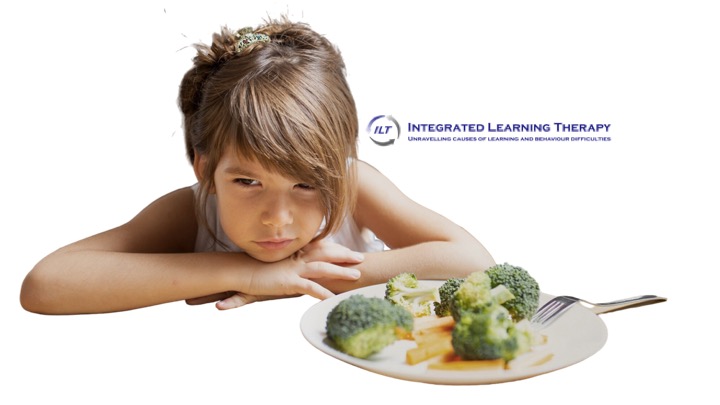
Is it OK to bribe children to eat vegetables?

Is it OK to bribe children to eat vegetables?

We all know the ruse of bribing children with the promise of a sweet dessert or other treat if they eat their vegetables. But this can possibly do more harm than good.  Nick Fuller, writing for The Conversation, discusses this.

Why bribing may backfire

Offering children treats as a reward for eating healthy food can:

Create unhealthy preferences

Studies show using discretionary foods such as sweets as rewards increases children’s preference for those foods.

Over time, children start to see dessert as the “prize” and vegetables as the “chore.” This skews their perception of food value and can lead to an unhealthy relationship with eating.

Bribes also link food with achievement or behaviour, which may foster emotional eating patterns later in life.

Disrupt appetite regulation

Children are born with the ability to self-regulate how much they eat, based on internal signals between the gut, brain, and hormones. It’s common for appetite to fluctuate—ravenous one day, disinterested the next—depending on activity, growth and development.

However, food rewards can override these natural cues. When children learn to eat to earn a reward rather than to satisfy hunger, research suggests it can increase the risk of overeating.

Increase fussy eating

Fussy eating is a normal phase in early childhood and typically improves once children start school.

But pressuring children to eat, especially with the promise of a reward, can make them even more resistant to trying new foods. Several studies show food rewards are linked to greater food fussiness over time.

What to do instead: evidence-backed strategies

Instead of resorting to bribes, here are research-informed ways to support healthy eating habits in children:

  1. Focus on effort, not outcomes

It can take eight to 10 exposures before a child accepts a new food. So keep offering it without pressure.

Praise your child for trying something new, rather than for finishing their plate.

Let them decide whether to eat it—and how much. The goal is to build positive experiences around food.

  1. Pair new foods with familiar favourites

Children are more likely to try unfamiliar foods when served alongside ones they already enjoy.  So if your child loves potato chips, try introducing roast carrot “orange chippies” as a variation.

Offering the same food in different formats (such as avocado in sushi one day, on crackers another) also increases acceptance.

  1. Make healthy food visually appealing

Studies show kids respond better to food presented in fun and colourful ways. Use different shapes, textures, and colours to make meals more inviting—think fruit skewers, rainbow veggie plates, or “build-your-own” meals.

  1. Involve children in the kitchen

Children are more likely to eat food they’ve helped prepare. Even young children can assist with age-appropriate tasks like mixing, measuring, or choosing recipes.

  1. Model the behaviours you want to see

Children learn by watching. Research shows that when parents regularly eat and enjoy healthy foods in front of their kids, these children have better diets than their peers who don’t see their parents enjoy healthy foods.

Try to share meals as a family when possible and model the enjoyment of nutritious foods.


Provided by The Conversation

Image supplied by Freepik


Help in choosing healthier foods is on the horizon

Help in choosing healthier foods is on the horizon

Warnings about the implications of eating unhealthy foods have been common news items lately.  Obviously our children’s physical and brain development also depend on good nutrition.  It isn’t always possible to buy fresh proteins and vegetables and prepare them from scratch, so conveniently packaged foods are a necessary part of modern life.  But this is where the problem comes in: how do we know these products are healthy?

Safura Karim, Makoma Bopape, Rina Swart and Tamryn Frank are part of a working group that advised the South African Department of Health on front-of-package nutrition labelling, drawing on their expertise in dietetics, nutrition, public health and the law.  It seems that the current food labels are not clear enough to help people make healthier choices of food.

As a result of their work, South Africa’s health minister published draft food labeling regulations in April.  These propose clearer food labels, which include a new triangle highlighting that the food contains ingredients that are unhealthy. These logos will be placed on the front of a product.

They developed a black triangle—inspired by a danger warning sign—which would stand out on colourful food packages and include pictures so that anyone, even those who can’t read or speak English, would be able to understand them.

Earlier this year, South Africans had the opportunity to give comments on the regulations that will see this labelling system implemented. Now it’s up to the department to decide when and how to put these regulations into action.

Hopefully soon all South Africans will be able to see at a glance which foods are bad for their health.

Provided by ‘The Conversation’

Image provided by Freepik