
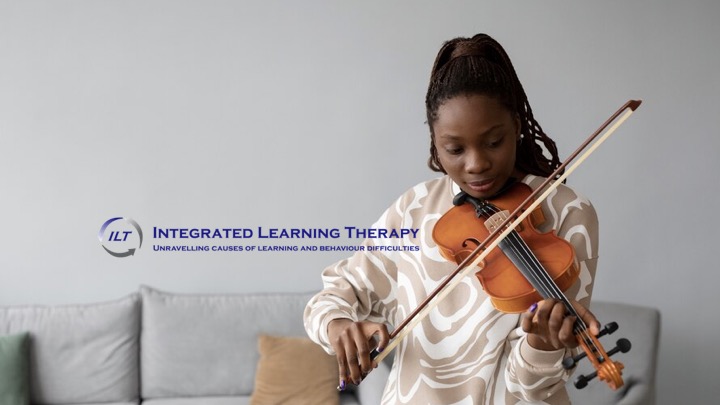
Should my child be studying music?
Individual music lessons aren’t part and parcel of school these days, unlike years ago, when children had the opportunity to learn an instrument in their mainstream school. Very few schools have a row of ‘music rooms,’ with specially trained teachers employed to coach youngsters in the practical and theoretical aspects of music. Today, parents usually have to find a private music teacher and arrange for lessons. Is this something worth considering?
The literature says yes. There are studies showing that music can benefit a child in terms of both cognitive ability and academic achievement.
So if you are considering enrolling your child for music lessons, what would be the ideal starting age?
Timothy McKenry, writing for The Conversation, offers some guidelines as to this.
The benefits of starting young
It is never too late to learn music. Recent research highlights the positive impacts of music lessons for elderly people. For children, however, there are special benefits for starting before the age of nine. At around nine years of age musical aptitude or “talent” becomes fixed. Before this age it is pliable and engaging in organised musical activity expands a child’s musical potential.
Should I wait for my child to ask for lessons?
There is debate among parents and teachers about whether parents should wait for their child to express interest in music lessons before starting.
Some children ask for lessons but although asking is a good indication a child is ready, it is not necessary to wait. Time is a factor here because a UK survey showed that enthusiasm for learning an instrument peaks at ages five to six years. If a child is not yet learning an instrument, their enthusiasm halves by age seven.
Which instrument?
Instruments including the piano, keyboard, violin, flute and recorder are ideal for an early start. The Suzuki Method allows children to begin learning some of these at aged three. It’s common for teachers of any method to teach children these instruments from five years and up.
String instruments like violins are tailored to a child’s development with different sizes available. A child under five may begin learning with an instrument 1/32 the size of an adult instrument.
The ukulele has also become an increasingly popular “primer” instrument for children as young as four.
Brass and reed instruments (such as the trumpet or clarinet) require greater strength and losing baby teeth can make forming the right mouth shape or embouchure difficult. It is more usual for children to start brass and reed instruments in high school.
It’s not uncommon for a child to begin on one instrument and later change to another. This usually happens when a child begins on an inexpensive instrument such as recorder or ukulele and progresses onto the saxophone or guitar. Or a child might enjoy music, but dislike or become frustrated by their current instrument.
Choosing a teacher
It’s wise to exercise diligence when selecting a teacher. Good teaching—particularly for younger children—requires more than simply the ability to play. Teachers should have a qualification, experience and ideally belong to a professional affiliation. In South Africa, the South African Society for Music Teachers (SASMT) is possibly the best known.
Whatever their method, a good teacher will be able to articulate an age-appropriate learning method and explain how their approach changes as a child matures.
A good teacher will also be able to outline realistic strategies to help a child develop a sustainable practice routine. The amount of practice required depends on the instrument and the age of the child, but there should be clear expectations around practice.
There should also be clear expectations around the degree of parental involvement and intended learning milestones.
What if private lessons aren’t an option?
Music lessons can be expensive and they can take up time in our busy lives. Online lessons may be a useful way to expose children to music so finding video tutorials and music learning apps might be a possibility.
Provided by The Conversation.
Image supplied by Freepik.