Why can’t children focus on a task?

Why can’t children focus on a task?


Jeff Grabmeier, of The Ohio State University reports on a recent study motivated by the knowledge that children tend to struggle to focus on a task, often taking in information that won’t help them complete their assignment.  This raised the question, why?

The researchers found that this wasn’t because children’s brains weren’t mature enough to understand the task or pay attention, and it wasn’t because they were easily distracted and lacked the control to focus.

It appears that youngsters pay attention to a broader distribution of information available. This might be because out of simple curiosity or because their working memory isn’t developed enough to complete a task without “over exploring.”

“Children can’t seem to stop themselves from gathering more information than they need to complete a task, even when they know exactly what they need,” said Vladimir Sloutsky, co-author of the study and professor of psychology at The Ohio State University.

Sloutsky conducted the study, published recently in the journal Psychological Science, with lead author Qianqian Wan, a doctoral student in psychology at Ohio State.

In this study, the researchers confirmed that even when children successfully learn how to focus their attention on a task to earn small rewards such as stickers, they still “over explore” and don’t concentrate just on what is needed to complete their assignment.

One goal of this study was to see if this was due to children’s levels of distractibility.

Part of the research involved four- to six-year-old children and adults. Participants were told they were going to identify two types of bird-like creatures called Hibi or Gora. Each type had a unique combination of colours and shapes for their horn, head, beak, body, wing, feet and tail. For six of the seven body parts, the combination of colour and shape predicted whether it was a Hibi or Gora with 66% accuracy. But one body part was always a perfect match to only one of the creatures, which both children and adults quickly learned to identify in the first part of the study.

In order to test whether children were easily distracted, the researchers covered up each body part, meaning the study participants had to uncover them one by one to identify which creature it was. They were rewarded for identifying the creature as quickly as possible.

For adults, the task was easy. If they knew the tail was the body part that was always matched perfectly with one of the two types of creatures, they always uncovered the tail and correctly identified the creature.

But the children were different. If they had learned the tail was the body part that always identified a creature perfectly, they would uncover that first—but they would still uncover other body parts before they made their choice.

“There was nothing to distract the children—everything was covered up. They could do like the adults and only click on the body part that identified the creature, but they did not,” Sloutsky said.

“They just kept uncovering more body parts before they made their choice.”

Sloutsky thought that another reason could be that children just like tapping on the buttons. So, in another study, they gave adults and children the opportunity to make just one tap on an “express” button to reveal the whole creature and all of its parts, or to tap on each body part individually to reveal it.

Children predominantly chose the express option to just tap once to reveal the creature to make their decision of what type it was. So, they weren’t just clicking for the fun of it.

Sloutsky will conduct future studies to investigate whether this unneeded exploration is simple curiosity. But he said he believes the more likely explanation is that working memory is not fully developed in children. That means they don’t hold information they need to complete a task in their memory for very long, at least not as long as adults.

“The children learned that one body part will tell them what the creature is, but they may be concerned that they don’t remember correctly. Their working memory is still under development,” Sloutsky said.

“They want to resolve this uncertainty by continuing to sample, by looking at other body parts to see if they line up with what they think.”

As children’s working memory matures, they feel more confident in their ability to retain information for a longer time, he said, and act more like adults do.

Future research should answer the question of whether the issue is curiosity or working memory, Sloutsky said.


More information: Qianqian Wan et al, Exploration, Distributed Attention, and Development of Category Learning, Psychological Science (2024). DOI: 10.1177/09567976241258146

Journal information: Psychological Science


Image supplied by Freepik.
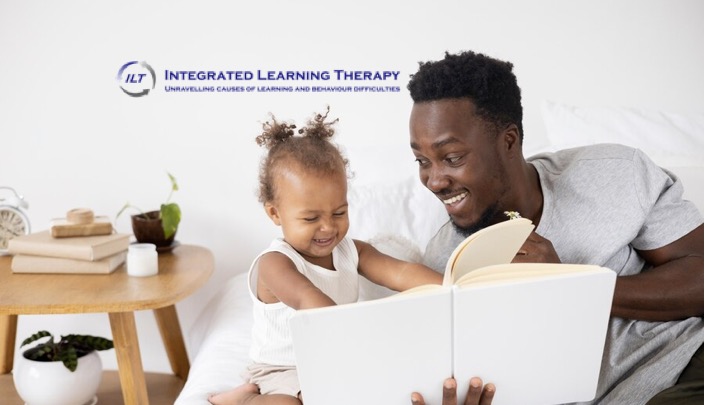
The benefits of shared reading

The benefits of shared reading

The American Academy of Pediatrics encourages parents and caregivers to read aloud with their newborns and young children.  In a recent policy statement, they say that this is an opportunity to foster loving, nurturing relationships during a critical time of brain development.

The policy statement is “Literacy Promotion: An Essential Component of Primary Care Pediatric Practice.”  There has been an extraordinary amount of research in this area, and an accompanying new technical report reviews the evidence for shared reading as a way to strengthen and nurture relationships, stimulate brain circuitry and create early attachments.

“Reading together with young children weaves joyful language and rich interactive moments into the fabric of daily life,” said Perri Klass, MD, FAAP, lead author of both statements.

“As a pediatrician and parent, I suggest making books your bedtime routine, using them to connect and wind down after a busy day, and generally building them into life with a young child. It will strengthen the bonds that hold you together, and build your child’s developing brain.”

Policy statements and technical reports created by AAP are written by medical experts, reflect the latest evidence in the field, and go through several rounds of peer review before being approved by the AAP Board of Directors and published in Pediatrics.

The AAP emphasizes that, as a positive parenting practice, shared reading helps build the foundation for healthy social-emotional, cognitive, language, and literacy development. This sets the stage for school readiness and provides enduring benefits across the life course.

“Turning the pages of a high-quality, print book filled with colourful pictures and rich, expressive language are best,” said Dipesh Navsaria, MD, MPH, MSLIS, FAAP, a co-author of the technical report and chair of the Council on Early Childhood.

“While touchscreens and other electronic devices may be popular, they are typically passive or solitary experiences for children and do not offer the same benefits of interactivity and relationship-building.”

“Research tells us that reading proficiency by third grade is a significant predictor of high school graduation and career success,” Dr. Klass said.

“Children who first encounter books in the arms of their parents, when they are very young, arrive at school associating books and reading with lap-time, a sense of security, interactions, stories, rhymes and entertainment, and above all with the beloved voices of the adults with whom they have those all-important early relationships.”


Image supplied by Freepik.


More information: Claudia Aristy and Dr. Klass discuss the policy during a plenary session, “Turning Pages Together: How Pediatricians Rewrote the Book on Early Literacy,” from 10:30-noon ET Sunday in the Orange County Convention Center Valencia Ballroom.

Journal information: Pediatrics 


Getting children active for their mental health

Getting children active for their mental health

This week, I’m reporting on an article in The Conversation written by Ben Singh and Grace McKeon.  They address how fitness levels can support mental health in children.

As adults, we are told regularly that exercise helps to make us feel better mentally, such as easing depression and reducing anxiety.  Now, newer research sheds light on its rising importance for children’s well-being. Staying active could be key to safeguarding and enhancing young people’s mental health.

Improving mood

One in seven adolescents worldwide has a mental illness. As a result, parents and health-care providers are increasingly seeking effective prevention strategies. One surprisingly simple approach might be: physical fitness.

A recent study reveals even small improvements in fitness were linked to improved teen mental health. When adolescents improved their fitness by just 30 seconds on a running test, their risk of developing anxiety, depression, and attention-deficit hyperactivity disorder (ADHD) dropped by 7%–8%.

This suggests something as straightforward as regular exercise could play a crucial role in protecting young people’s mental well-being.

For parents and health professionals looking to support adolescent mental health, encouraging participation in team sports could also be an especially effective strategy. A study of more than 17,000 teenagers revealed a powerful link between sports and mental health: teens who participated in sports clubs were 60% less likely to experience depression compared to inactive kids.

This suggests team sports offer a unique environment for teens’ mental well-being, combining physical activity, social connection and structured routines.

Benefits for the classroom

Physical activity can also sharpen children’s thinking and improve school performance: being active is associated with improvements in concentration, decision-making abilities, attention and academic performance. Studies have also found positive links between physical activity and performance in maths and reading skills.

Even short ten-minute bouts of activity can have immediate positive effects on classroom performance.

Adding more physical activity to the school day—rather than cutting it for academic subjects—can not only boost students’ academic performance but also enhance their overall health and well-being.

When and how to start

While there’s no one-size-fits-all approach, experts generally agree it’s never too early to encourage physical activity.

The World Health Organization recommends children aged 3–4 should engage in at least 180 minutes of physical activity daily, with at least 60 minutes being moderate to vigorous intensity: activities that cause kids to huff and puff, such as running or playing sports.

For school-age children (5 to 17 years), the recommendation is at least 60 minutes of moderate to vigorous physical activity daily, with activities that strengthen muscles and bones at least three times a week.

Fun and age-appropriateness is a key

The key to introducing fitness to children is to make it fun and age-appropriate. Here are some strategies:

  1. Incorporate play: for younger children, focus on active play rather than structured exercise. Activities such as tag, hide-and-seek, or obstacle courses can be both fun and physically demanding.
  2. Explore various activities: expose children to different sports and activities to help them find what they enjoy. This could include team sports, dance, martial arts, or swimming. Consider activities that are culturally relevant or significant to your family, as this can enhance their sense of belonging and interest.
  3. Lead by example: children often mimic their parents’ behaviors, observing their actions. By being active yourself, you not only set a positive example but also encourage your children to do the same.
  4. Make it a family affair: encourage physical activity by planning active family outings like hikes, bike rides, or trips to the park to foster a love of exercise in a fun and engaging way.
  5. Limit screen time: Encourage outdoor playand physical activities as alternatives to sedentary screen time, fostering a healthier lifestyle and promoting well-being.

Keep it safe

While the benefits of fitness for children are clear, it’s important to approach it safely. Some potential risks include:

  1. Injuries from overexertion: children eager to push their limits can suffer from overuse injuries, such as sprains or strains. Encourage a variety of physical activities to prevent overuse injuries. Ensure adequate rest during training and competition, and promote proper warm-up and cool-down.
  2. Heat-related illness: children exercising in hot weather are at risk of heat exhaustion, with symptoms including dizziness and nausea. Emphasize hydrationbefore, during and after exercise. Schedule activities during cooler times and provide shaded areas for breaks, teaching kids to recognize signs of overheating.
  3. Improper technique and equipment: using incorrect form or inappropriate equipment can result in injuries and impede development. It’s essential to provide proper instruction, ensure equipment is size-appropriate, and supervise children during exercise. Programs should be designed to be safe and inclusive, accommodating children with disabilities, ensuring everyone can participate meaningfully without barriers.
  4. Burnout: excessive exercise or pressure to perform can cause physical and mental burnout. This can lead to a loss of interest. To prevent burnout, it is important to stick to nationaland international activity recommendations, ensure adequate rest, and encourage a balance between structured exercise and free play.

Making movement a lifelong habit

The evidence is clear: fit kids are happier, healthier, and better equipped to handle life’s challenges. By introducing fitness early and in an engaging, age-appropriate manner, we can set children on a path to lifelong physical and mental well-being.  This can also foster a love for movement and activity that will serve them well into adulthood.

Provided by The Conversation

Image provided by Freepik

Why some children can’t sit still

Why some children can’t sit still


You may notice those children who simply can’t sit still but wriggle and shift in their chairs.  The culprit may be a reflexive movement that is necessary for our development but if not integrated due to some hiccup, can cause later difficulties with posture.

The Symmetrical Tonic Neck Reflex (STNR) is one of the primitive, reflexive movements made by all human babies.  The STNR is an automatic movement that makes the top half of the body work in opposition to the bottom half.  This means that when the top half of the body is straight, the bottom half bends, and vice versa.  It also makes it possible for the right and left sides of the body to work together.  The reflex is activated by a change in the position of the neck, which produces a change in the muscular tension (tonic).

The reflex makes it possible for a baby to crawl and then after a good long period of crawling – about six months – the child should have crawled enough to be in control of his body rather than having the STNR in control.   If something goes wrong along the developmental path, the child may not be able to crawl easily and so find the attempted movement so frustrating that they simply get up and walk early.  This allows the STNR to remain past it’s due date!

Early on, the interference of the STNR may not be noticeable because young children are allowed lots of freedom to sit as they like and move more.  They are seldom required to remain at a desk to complete tasks and listen to the teacher for long periods.

If his body is controlled by the STNR, a child will feel more comfortable if his arms are straight when sitting with knees and hips bent, or sitting with straight legs when the arms are bending in order to write.  If the STNR caused a child’s arms to actually shoot straight out in front of them when their legs are bent, adults would realise a problem.  But the reflex is not so obvious.  We are talking about normal children who are still experiencing the ‘pull’ of the reflex, rather than being totally under its control.  This means that they may be able to sit normally for a while but they cannot sit comfortably and they cannot sit still for long periods of time.

What you might see.

Children start to move in ways that help to relieve the physical tension they feel when required to sit still.  They may reach their arms across the desk to try and maintain straight arms; they may sit on one or both legs under them; they may try to ‘lock’ their bodies into their chairs by wrapping their feet around the chair legs; they may prefer to lie on the floor; they may slouch in their chairs, keeping their arms and legs stretched in front on them; they may prefer to stand at their desks; they may try to write with their head on one of their arms.

And the STNR doesn’t only affect sitting but also impacts on other aspects of learning.  For this reason, it is important to check that a retained STNR is not part or whole of your child’s ‘disruptive’ behaviours and school difficulties.

 Image supplied by Freepik.


Shortsightness in children: What can we do?

Shortsightness in children: What can we do?

I’ve reported before about the concern expressed around the world for the increase in shortsightedness amongst young children.

Myopia, the ‘official’ term for shortsightedness, is usually treated with glasses but if left unchecked or if glasses are not given, it can progress to more serious and irreversible eye conditions.  This is why it is so important that children’s vision is regularly tested.

Writing for The Conversation, Flora Hui gives information about myopia and suggests what you can do if you think your child might be shortsighted.

What causes myopia?

Myopia is partly due to genetics. Parents who have myopia—and especially high myopia—are more likely to have children who develop myopia as well. 

But environmental factors can also play a role.  One culprit is the amount of time we spend looking at screens. As screens have shrunk, we tend to hold them closer. This kind of prolonged focusing at short range has long been associated with developing myopia.

Limiting or reducing screen time may help reduce eye strain and slow myopia’s development. However, for many of us—including children—this can be difficult, given what a huge role screens play in our lives today.

Green time over screen time

Higher rates of myopia may also be linked to children spending less time outside, rather than screens themselves. Studies have shown boosting time outdoors by one to two hours per day may reduce the onset of myopia over a two to three year period.

We are still unsure how this works. It may be that the greater intensity of sunlight—compared to indoor light—promotes the release of dopamine. This crucial molecule can slow eye growth and help prevent myopia developing.

But according to current research, once you have myopia, time outdoors may only have a small effect on how it worsens.

Are there methods to slow progression of myopia?

Research is rapidly developing in myopia control. In addition to glasses, optometrists have a range of tools to slow eye growth and with it, the progression of myopia.  Two effective methods mentioned by Flora Hui are:

  • orthokeratology (“ortho-K”)uses hard contact lenses to temporarily reshape the eye to improve vision. They are convenient as they are only worn while sleeping. However, parents need to make sure lenses are cleaned and stored properly to reduce the chance of eye infections
  • atropine eyedropshave been shown to successfully slow myopia progression. Eyedrops can be simple to administer, have minimal side effects and don’t carry the risk of infection associated with contact lenses.

What are the risks with myopia?

Myopia is easily corrected by wearing glasses or contact lenses. But if you have “high myopia” (meaning you are severely shortsighted) you have a higher risk of developing other eye conditions across your lifetime, and these could permanently damage your vision.

These conditions include:

What can parents and teachers do?

It’s important to diagnose and treat myopia early—especially high myopia—to stop it progressing and lower the risk of permanent damage.

Uncorrected myopia can also affect a child’s ability to learn, simply because they can’t see clearly. Signs a child might need to be tested can include squinting to see into the distance, not being able to read things written on the board in the classroom or moving things such as a screen or book closer to the eyes to see.

Regular eye tests with an optometrist are the best way to understand a child’s eye health and eyesight. Each child is different—an optometrist can help you work out tailored methods to track and manage myopia, if it is diagnosed.


Provided by The Conversation 

Image provided by Freepik

How can you help your child acquire ball skills?

How can you help your child acquire ball skills?

Being able to throw and catch balls and other objects is a fundamental movement skill that is considered an important milestone in a child’s early years.  This is because they form the foundation for other, more complicated physical activities.

In recent years, researchers have been commenting on a noticeable decline in children’s throwing and catching skills.  Stuart Evans and Kane Middleton, writing for The Conversation, discuss this and suggest ways for parents to help their children develop these important skills.

Why is it so important to be able to throw and catch?

Not all children will become ‘sporty’ and shine in one or more sporting activities. Yet it is important they develop fundamental movement skills, including throwing and catching, running, skipping and balancing.

These skills are seen as “fundamental” because they are needed to engage in physical activities effectively and confidently. These also form the basis of skills in all other sports. Without these skills, it is difficulty to remain active and healthy throughout life, which is so important to our physical and mental health.

Children need help to learn

By the time a child is about five, they should be able to throw using a coordinated movement of the throwing arm and opposite leg stepping forward. They should be able to catch using their hands only.

A common misconception is that children learn skills such as throwing and catching automatically. But research in Australia and elsewhere shows that an increasing number of children are not developing adequate basic skills, nor playing as much sport as they used to.

How can you help your child’s throwing and catching skills?

Early childhood education includes fundamental movement skills in their programmes. Guidelines note it takes between 240 and 600 minutes of teaching time for a child to become proficient in one fundamental movement skill.

But research suggests parents can also help their kids at home and you can start building these skills from about the age of two. Here are some tips:

Start slowly

When you’re helping your child, start with larger balls or balloons and work on overarm throwing, underarm throwing and two-handed passes. These can include chest passes and bounce passes like you see in netball and basketball.

As your child gets older, you can make the balls smaller and distances greater. And you can introduce challenges, such as “show me a different way of throwing or catching.”

Have formal and informal sessions

Research shows it’s important for children to get both unstructured play and structured practice to learn these skills.

This gives them specific tips and a chance to experiment and develop their skills.

Vary the activities

Repeatedly practicing the same skill under the same conditions can lead to rapid gains in skill development. But it does not teach children how to apply this skill.

Research suggests children should practice skills in a variety of ways.

If a task is unpredictable, it will create a more “game-like” environment so children are challenged to find solutions.

For example, you could have a game that involves throwing to a target. You could have changing targets (instead of just throwing at the same target over and over).

Keep it fun

While you may be “practicing” or “working” on a skill, try and make it enjoyable. Perhaps it forms part of a trip to the park or it involves a favourite toy. Maybe it involves different equipment or a game where the ball is a character.

If you have concerns about how your child‘s fundamental movement skills are developing, talk to their teacher or consult a professional to help.


Provided by The Conversation 

Image provided by Freepik